


Fat transfer
Mit einem Fetttransfer formen und definieren Sie Ihre Silhouette, indem Eigenfett gezielt an gewünschte Körperstellen übertragen wird.
Fat transfer is a modern cosmetic surgery procedure in which the patient's own fat is harvested from specific areas of the body and injected into other areas to add volume or improve contours. The fat is first harvested through gentle liposuction, processed, and then precisely injected into the desired areas such as the face, breasts, buttocks, or hands. Fat transfer offers the advantage of using only the patient's own tissue, virtually eliminating the risk of allergies or rejection. At the same time, the procedure ensures a natural shape and smooth transitions. Fat transfer is particularly popular for breast or buttock augmentation without implants, for filling in facial contours, or for correcting minor irregularities and scars. The treatment is usually performed under local or general anesthesia, depending on the desired volume increase. Slight swelling or bruising is possible after the procedure, but these typically subside within a few weeks. A thorough consultation with an experienced specialist is crucial to discuss individual wishes, the patient's initial condition, and the optimal outcome.
Fat transfer small/large
Autologous fat transfer is a modern procedure in aesthetic and reconstructive surgery. In this procedure, the patient's own fat is harvested from donor areas such as the abdomen, hips, or thighs, processed, and then injected into other areas of the body to build volume, improve contours, or correct tissue defects. The treatment provides natural-looking results because only the patient's own tissue is used and can be employed for both minor corrections and more extensive body contouring. Autologous fat transfer is ideal for individuals who wish to restore or increase volume in specific areas of the body. These include the breasts, face, buttocks, and hands. The method is also suitable for smoothing wrinkles, improving scars, and contouring the body. A prerequisite is good general health and sufficient donor fat available in the body. Fat transfer is also possible for slim individuals, as large fat deposits are not required. The procedure is performed in several steps: First, fat is harvested from one or more donor areas through a gentle liposuction technique. The extracted fat is then processed to remove impurities such as blood or oil and to ensure the quality of the fat cells. The processed fat is then injected into the desired recipient areas using fine cannulas. The fat is distributed evenly, often in several layers, to ensure optimal integration and a harmonious result. Mild swelling or bruising may occur after the procedure, but these typically subside within a few weeks.
AUFENTHALT
1 NACHT IM KRANKENHAUS
DAUER DER OP
3 - 4 STUNDEN
ANÄSTESIE
VOLLNARKOSE
GENESUNG
CA. 6 WOCHEN
CONTACT US TODAY
Book your free consultation now.


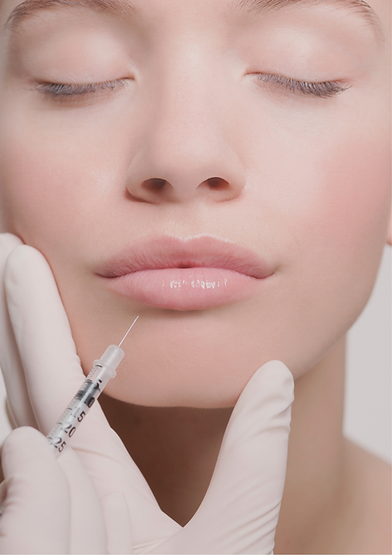
Consultation
Before undergoing autologous fat transfer, it is important that you are fully informed about the procedure and the necessary preparations. Avoid alcohol, blood-thinning medications, and supplements such as ibuprofen or vitamin E before the procedure, as these can increase the risk of bleeding-related complications. It is also strongly recommended that you refrain from smoking and using tobacco products for at least two weeks before the procedure and throughout the entire healing period, as smoking delays healing and significantly increases the risk of infection or complications.
Consultation
Before undergoing autologous fat transfer, it is important that you are fully informed about the procedure and the necessary preparations. Avoid alcohol, blood-thinning medications, and supplements such as ibuprofen or vitamin E before the procedure, as these can increase the risk of bleeding-related complications. It is also strongly recommended that you refrain from smoking and using tobacco products for at least two weeks before the procedure and throughout the entire healing period, as smoking delays healing and significantly increases the risk of infection or complications.
After the operation
Recovery depends on the amount of fat transferred and the areas treated. Mild pain may occur at both the donor and recipient sites after fat harvesting. Most patients recover largely within one to two weeks but should avoid strenuous physical activity for several weeks. After the procedure, the small incisions are covered with bandages, and depending on the treated area, wearing a compression garment may be necessary. Mild swelling, bruising, or temporary pain are normal. Gentle exercise, such as walking, is recommended to promote blood circulation and aid healing.